Burning firebreaks is one of the most important tasks to be undertaken every year at Verloren Valei.

Burning a firebreak on Verloren Valei, 2026 (All photographs: Marius Kruger)
By law, all landowners must ensure that they take the necessary steps to control the spread of wildfires. They need to ensure that they have the personnel and equipment to fight runaway fires—and that they have burned the firebreaks necessary to support effective firefighting.
“In addition, a property owner who allows fire to spread onto adjoining properties can be held liable for the damage caused if they failed to take adequate steps to prevent the spread of fires,” says Dr Marius Kruger, Land Manager, Northam Platinum Booysendal. Dr Kruger manages Northam’s nature conservation holdings in the area, which include De Berg. He and his team work closely with Verloren Valei’s management in the all-important area of firebreak burning.
A regular cycle of burning demarcated areas of the reserve is also undertaken in order to simulate the natural burns that are caused by lightning strikes. These fires play an important role in keeping the veld healthy by burning away dead material. Fires also stimulate growth in some plants. The reserve is divided into blocks, and each block is burned every three years on average.
“Because they are fenced and cover relatively small areas, reserves need to be managed to maintain the natural environment,” notes Kruger.
The whole sequence begins towards the end of February each year when tracer lines are sprayed with herbicide. These tracer lines form the outline of the area to be burned, and provide a clear area to contain the burning once it starts. Once the grass is dead, the tracer lines are burned, usually sometime in April or May.
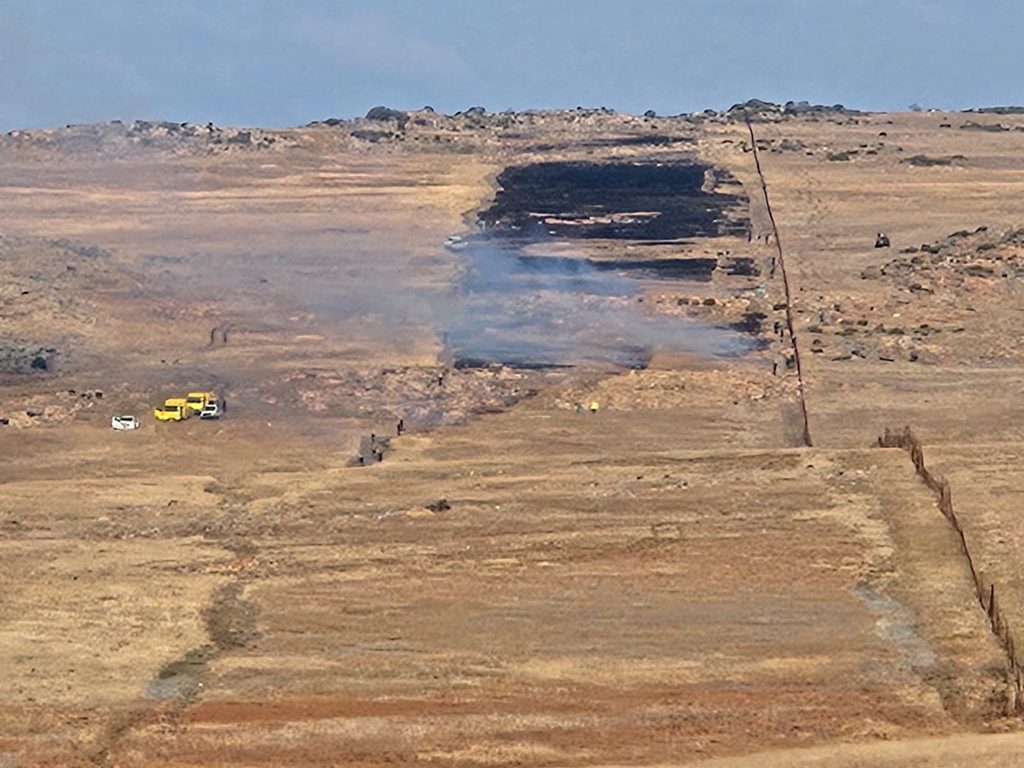
Mid-year, typically in June, the burning of the firebreaks proper begins. This is a mammoth task, and this year was undertaken by a team of around 30 professionals from a service provider. Burning can only take place when burning permits have been issued by PAFPA, the Platorand Area Fire Protection Association, the entity that oversees everything to do with fires in the Dullstroom-Belfast-Wonderfontein-Machadodorp-Lydenburg area. Learn more about PAFPA.

Burning permits are only issued if the conditions are favourable, based on the Fire Danger Index, which takes a number of factors into account, including wind and humidity, for example.
A firebreak is burned around the reserve’s entire boundary, as well as a firebreak around the blocks due for cyclical burning. Kruger estimates that the firebreaks burned this year come to a total of 80 kilometres. In ideal weather conditions, this should take around three weeks.
Block burning takes place later, once the new growth has started to show.
A runaway veld fire is a frightening thing, a danger to both humans and animals. A regular and effective burning programme is vital in reducing this real risk, and in managing the veld holistically. Verloren Valei is hugely indebted to Northam Platinum for its help in this regard.
Further reading
South African media treat fire as foe – its ecosystem benefits get lost in the blaze